Fundamentals
White Space
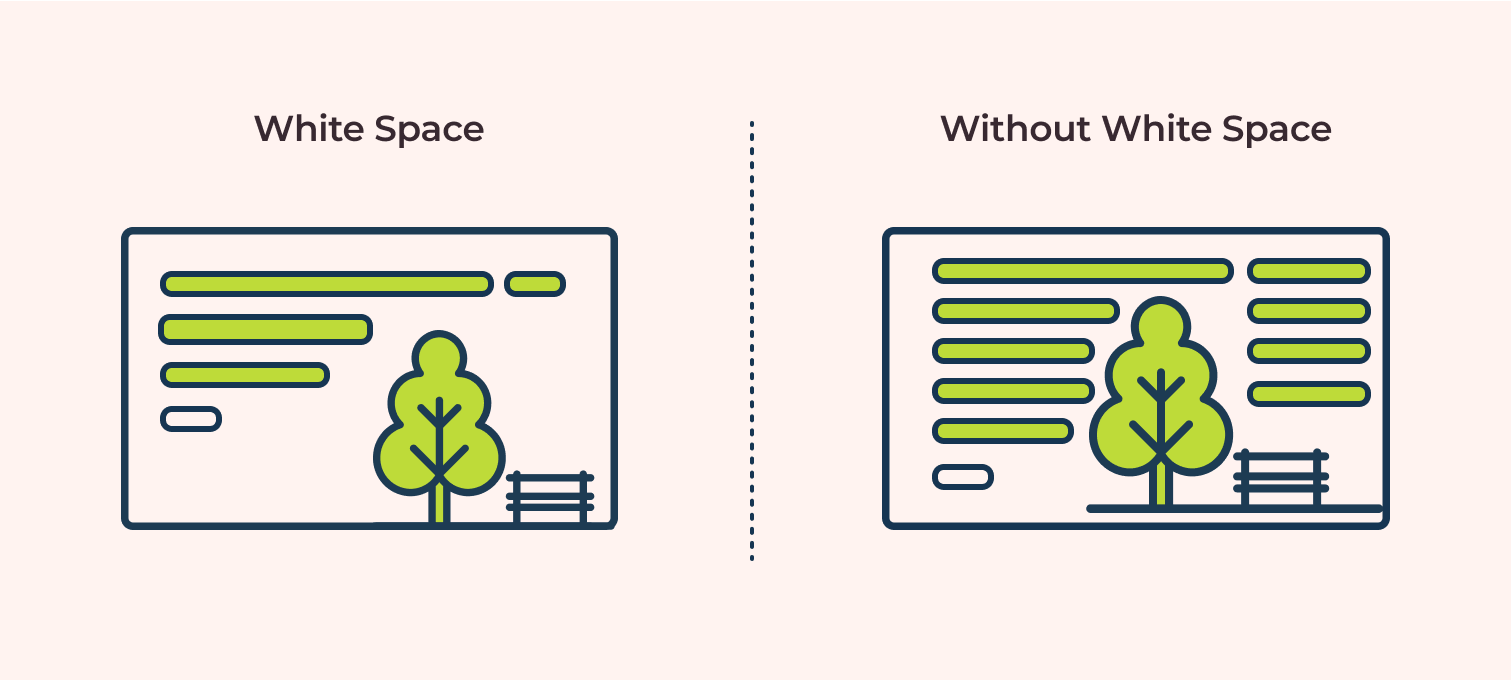
White space (or negative space) is the empty area around and between design elements. It's not necessarily white; it's simply the absence of content. White space is crucial for providing a visual break, improving readability, and making the main elements of a design stand out. It helps a design breathe and prevents it from looking cluttered. It can also be utilized for the sake of adding suspense to a piece.
Balance
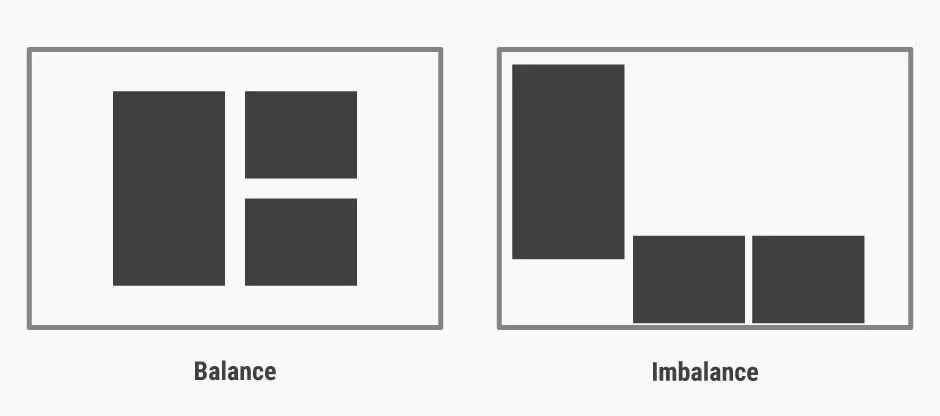
Balance in graphic design refers to the distribution of visual weight in a composition. It's about making sure that the elements—like text, images, and shapes—are arranged in a way that feels stable and harmonious, not lopsided. Symmetrical balance creates a mirror image on both sides of a central axis, while asymmetrical balance uses different elements of varying visual weights to achieve a sense of equilibrium. This topic encompasses the balance betweeen everything from colors, shapes, quantity, weight and to even size. Sometimes, balance can be and is broken for the sake of guiding the eye to specific element in the compostition.
Contrast
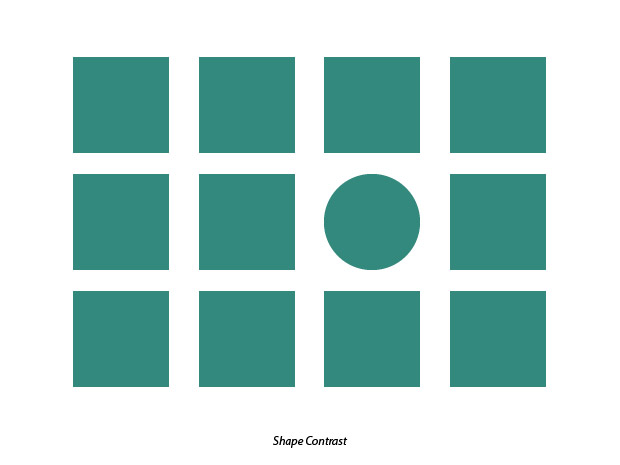
Contrast is the difference between two or more elements in a design in shape, color and size. It's used to create visual interest and to highlight specific parts of the design. High contrast, such as a dark color on a light background, can make text more readable and elements stand out. Low contrast, however, can create a more subtle and sophisticated feel.
Hierarchy
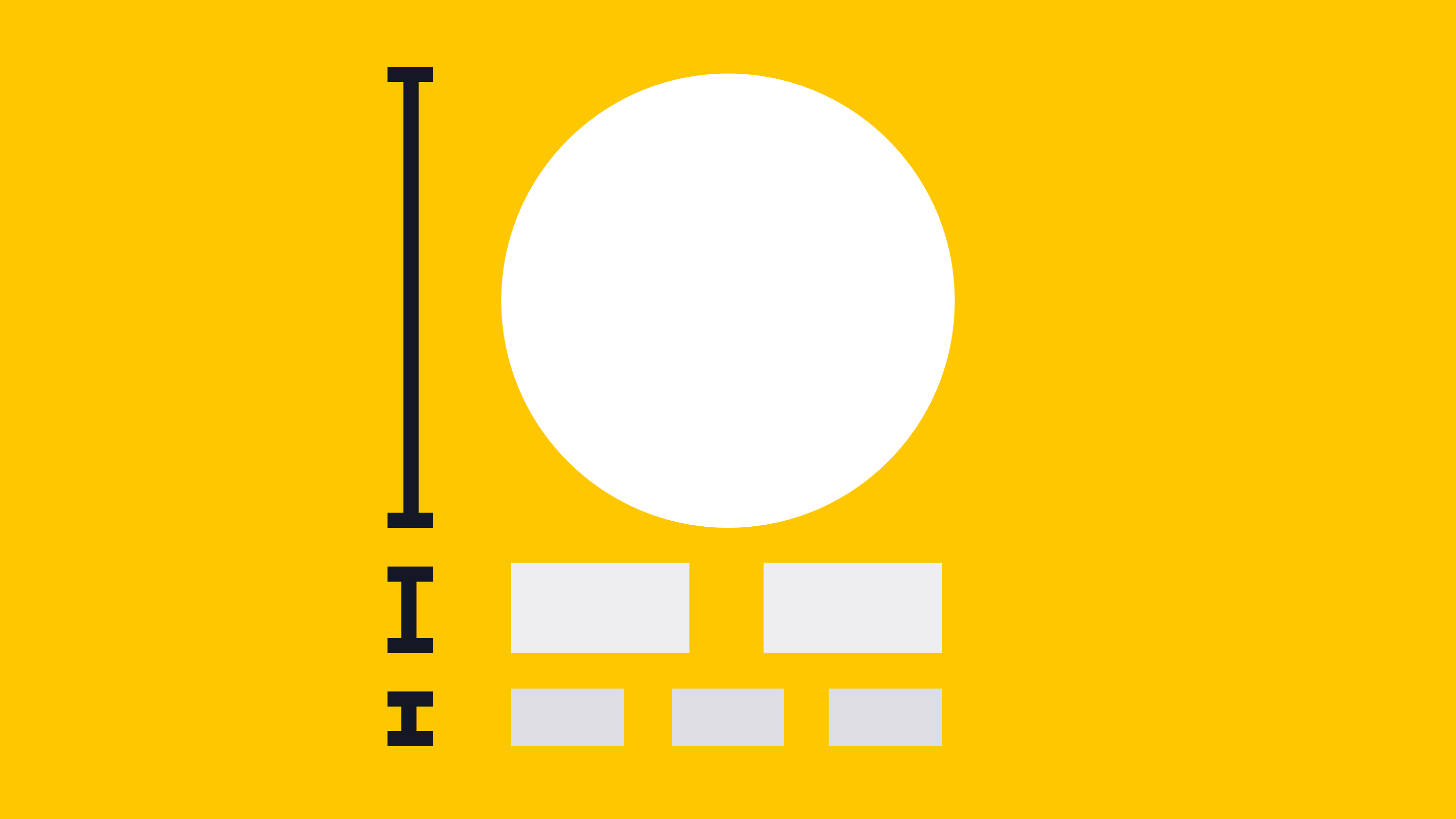
Hierarchy is the arrangement of design elements to show their order of importance. It guides the viewer's eye through the design, telling them what to look at first, second, and so on. This is often achieved through varying sizes, weights, and colors of text and images. For example, a headline might be large and bold, while the body text is smaller and lighter, establishing a clear visual hierarchy.
Alignment
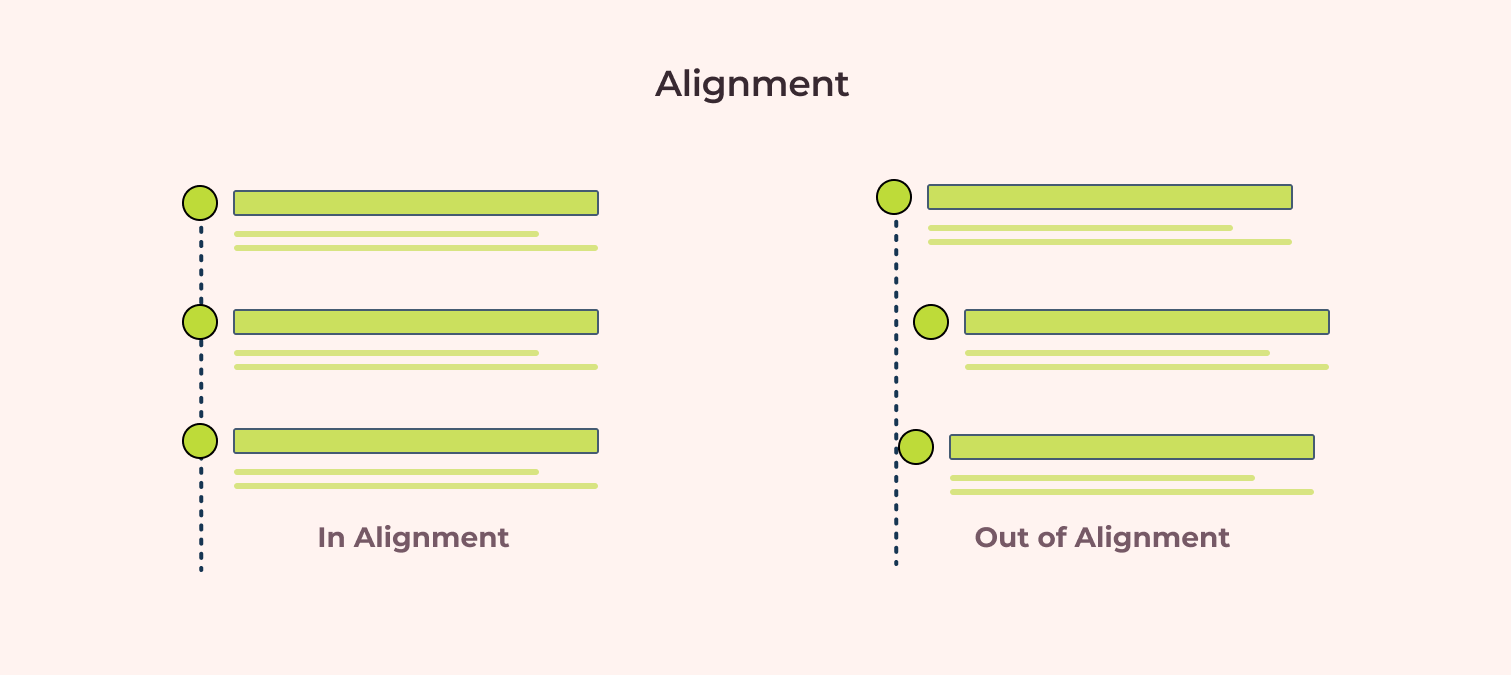
Alignment is the arrangement of design elements so they form a straight line or are organized along a common axis. It helps create a clean, organized, and professional look. Proper alignment makes a design feel intentional and cohesive, rather than scattered or haphazard.
Repetition
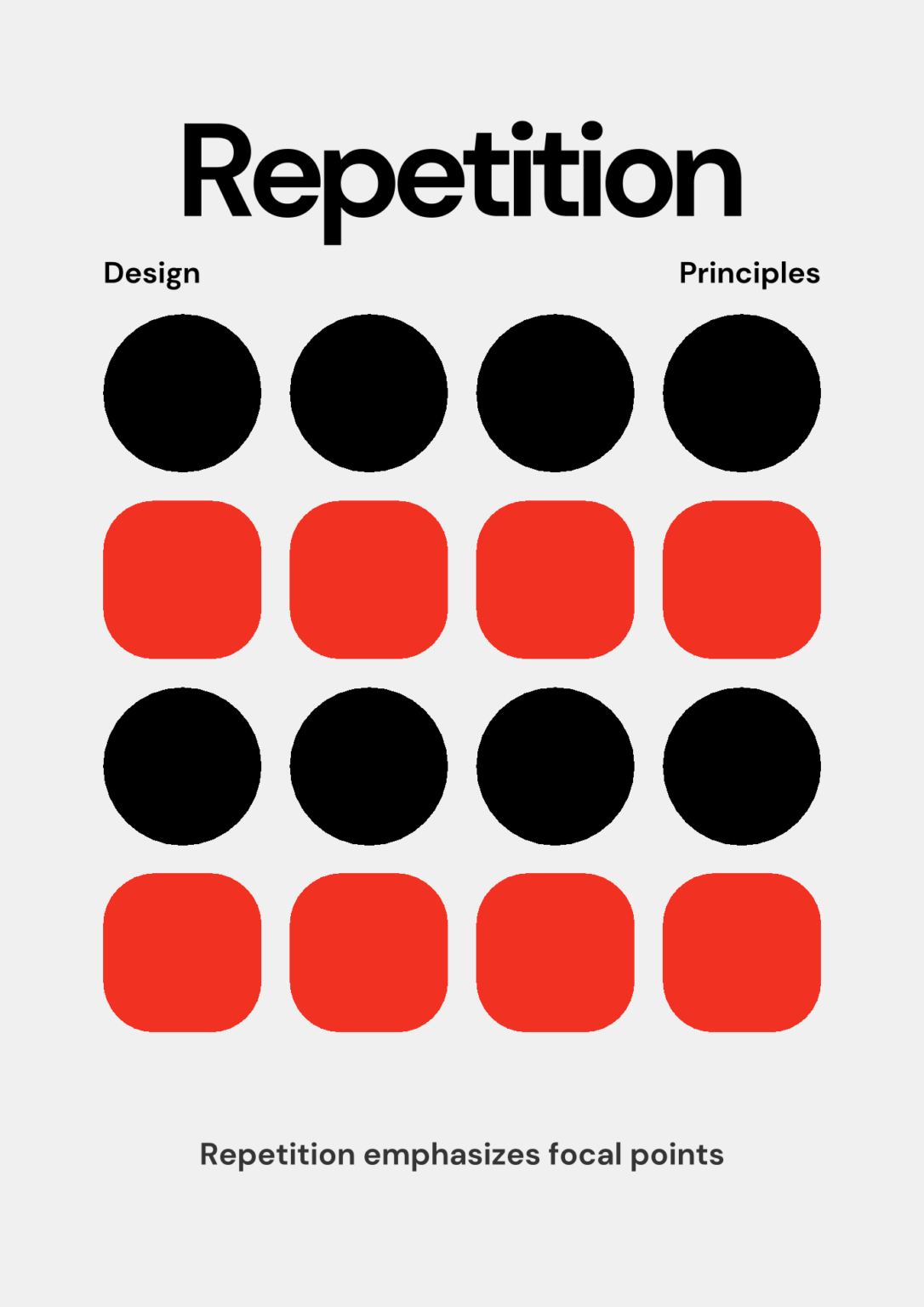
Repetition is the repeated use of a design element throughout a piece. This can include repeating colors, shapes, fonts, or textures. Repetition creates consistency, strengthens a design, and unifies the different parts of a layout, making it feel like a single, well-thought-out piece. THe entire composition feels cohesive and intentional and guides the viewer's eyes to what is truly important.
Color Theory
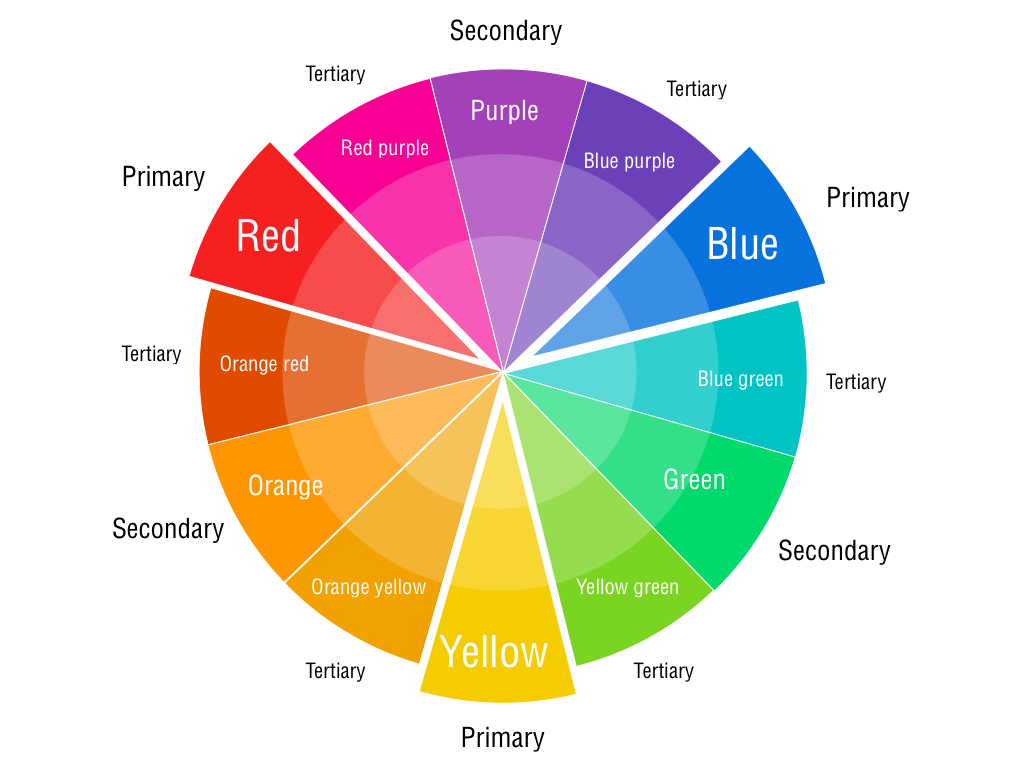
Color theory is the art and science of using color. It involves understanding how colors mix, match, and interact to create specific visual effects. Key components include the color wheel, which organizes colors into primary, secondary, and tertiary categories, and color schemes, which are combinations of colors that work well together, like complementary (opposite on the wheel) or analogous (next to each other) colors.
It includes many other topics like:
- Color harmonies.
- Impression of colors on human emotions.
- Contrast.
- Relationship between different colors.
- Composition of all colors.